Story · 2026-11-28 · About 1 min read
From Dangozaka to Kanda: how Edo’s Yabu soba began
How a soba shop surrounded by bamboo on the edge of Edo became the talk of the city, and how its line continues in Kanda today.

In late-Edo Tokyo, a soba shop officially named Tsutaya stood on Dangozaka slope in Sendagi. Its grounds held a bamboo grove, so people called it “Yabu soba” instead of its real name. Its owners are said to have come from a samurai family and passed down the name Miwa Denjiro.
The draw was more than the noodles. On grounds said to cover 2,000 to 3,000 tsubo with a fine view, the owners planted trees, set stones and built a waterfall by hauling water uphill by hand. Guests ate soba in detached rooms while cooling off. Kotaro Hotta, the fifth-generation owner of Kanda Yabusoba, describes them as pioneers who turned an everyday food into something to savor.
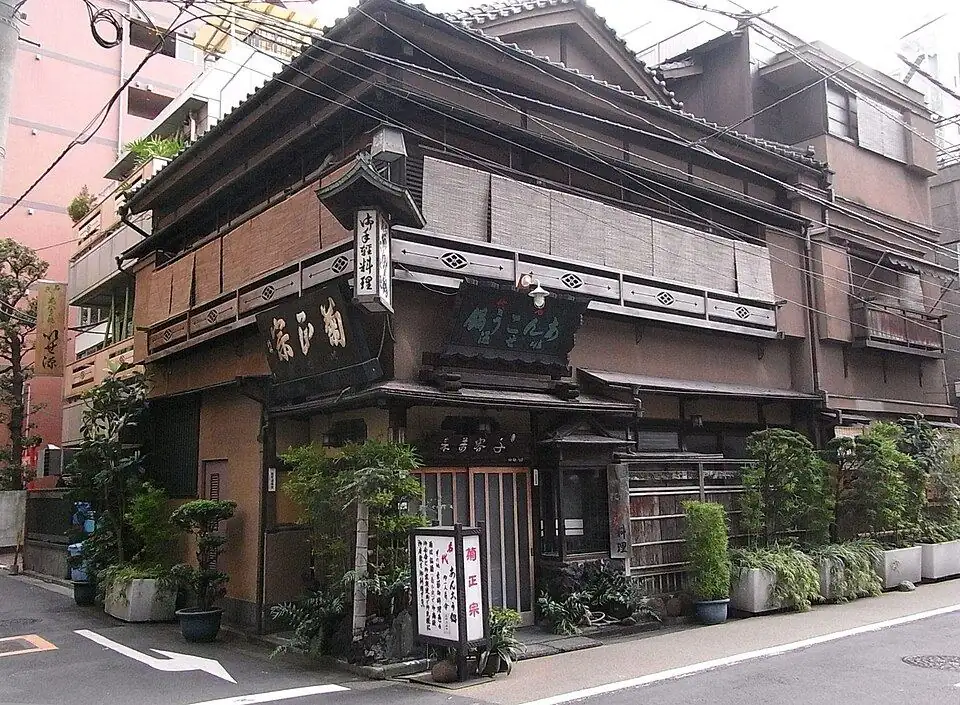
In 1880, Shichibei Hotta took over the Kanda branch of Dangozaka Yabu soba from the Miwa family. That is the origin of today’s Kanda Yabusoba. The Chiyoda City Tourism Association introduces the shop as the head house of “Yabu,” one of the three great lines of Edo-style soba.
The building burned down in February 2013, and the shop reopened in a rebuilt building on October 20, 2014. The old signboard that survived the fire now hangs on the second floor.